Storage for Wholesalers and Retailers: The 2026 Inventory Playbook
Margins in wholesale and retail live or die on inventory control. The right storage for wholesalers and retailers turns a warehouse from a cost centre into a competitive advantage, letting you buy in volume, fulfil faster, and avoid the twin traps of stockouts and dead stock. This playbook breaks down how modern distributors in Saudi Arabia use smart warehousing, including chilled capacity, to stay lean and responsive in 2026.
Whether you move fast-turning consumer goods or temperature-sensitive products, the way you store inventory shapes every downstream number on your P&L.
Why Storage for Wholesalers and Retailers Drives Profit
Distribution is a volume game. Wholesalers win on bulk purchasing power, and retailers win on availability, yet both depend on the same thing: inventory sitting in the right condition, in the right place, ready to move. Poorly organised space inflates carrying costs, slows order fulfilment, and hides slow-moving SKUs until they become write-offs.
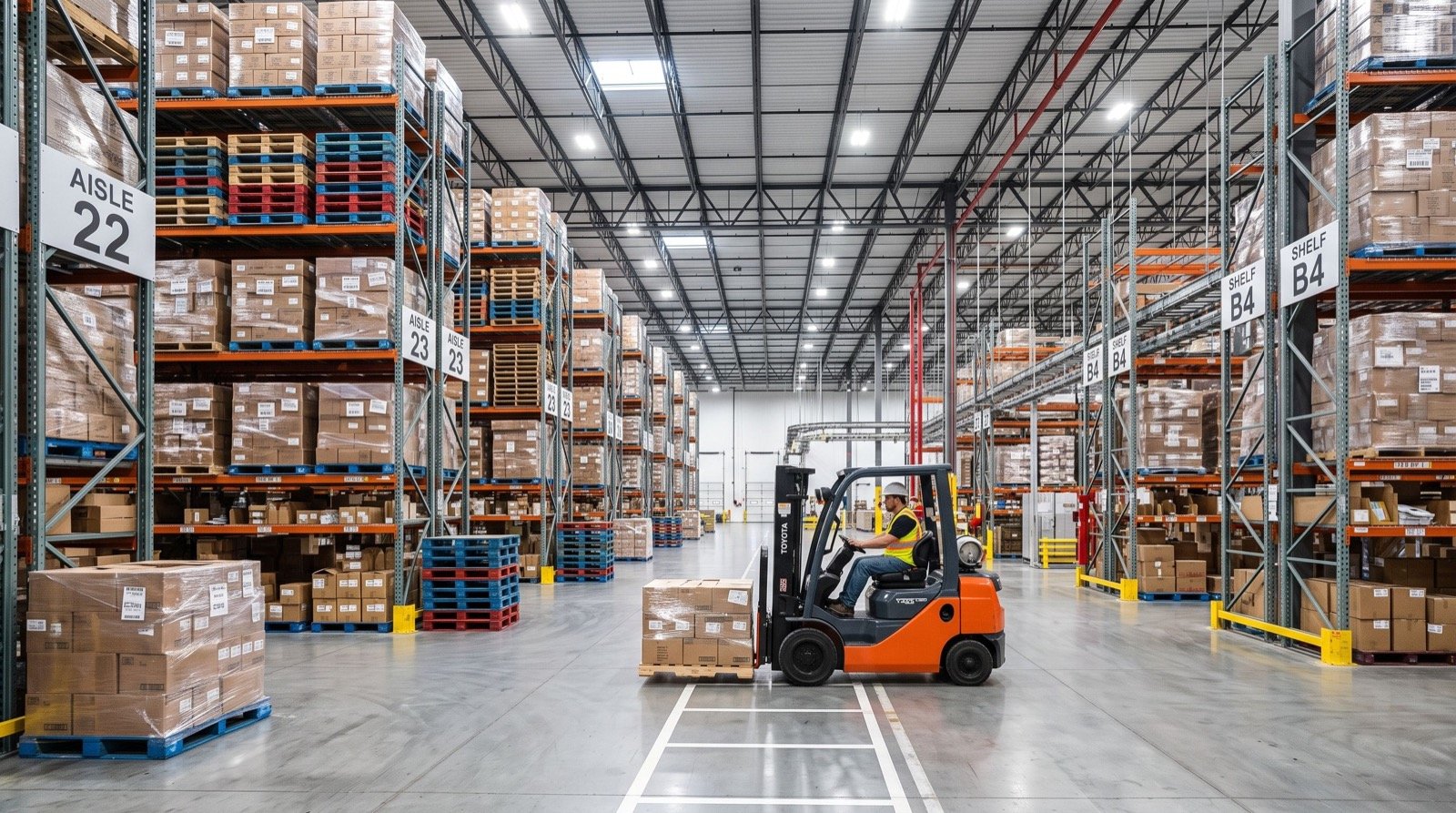
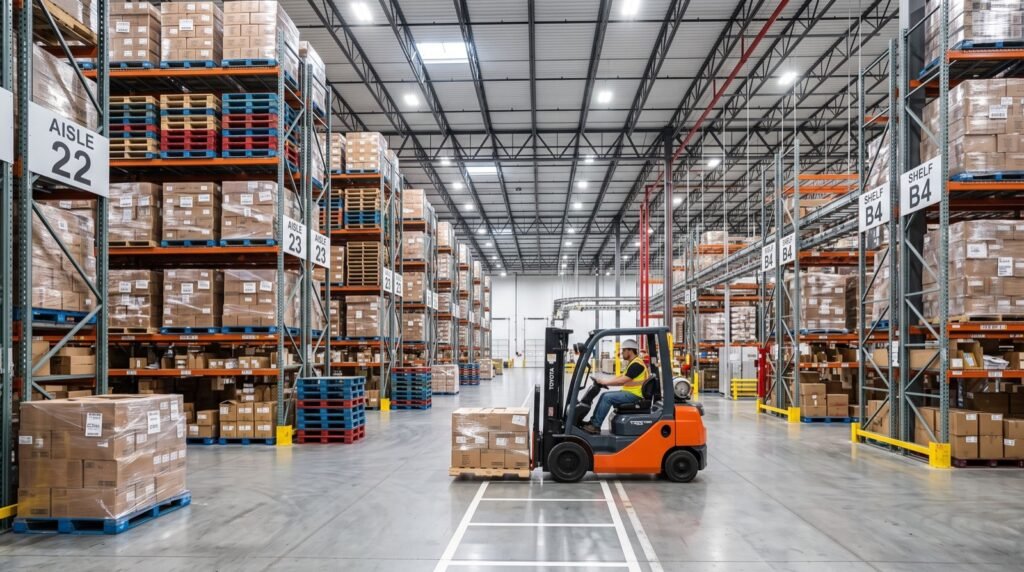
Scalable Storage for Wholesalers and Retailers solves this with racked, trackable space that flexes with seasonal demand. You pay for what you need, scale up for peak periods, and keep real-time visibility of every pallet.
The Hidden Costs of Getting Storage Wrong
- Carrying costs on capital tied up in excess stock
- Markdowns and write-offs on expired or obsolete goods
- Lost sales when fast movers run out
- Labour wasted searching disorganised aisles
- Spoilage when perishables miss their temperature window
The Cold Chain Advantage in Dammam
For distributors handling perishables, cosmetics, or pharmaceuticals near the Eastern Province, temperature control is non-negotiable. Dammam’s port access makes it a natural distribution hub, but the heat makes an unbroken cold chain essential from arrival to dispatch.
Investing in Chilled Storage in Dammam keeps sensitive products in their ideal range while they wait for onward delivery. The Food and Agriculture Organization reports that a large share of global food is lost between harvest and retail, much of it from inadequate cold storage, so chilled capacity directly protects both product and profit.
How to Build a Storage Strategy That Scales
A good warehousing strategy is deliberate, not accidental. Follow a clear sequence when setting yours up or reviewing it.
- Classify your SKUs by velocity and temperature need (fast, medium, slow; dry, chilled, frozen).
- Forecast demand using last year’s seasonal data and current market trends.
- Right-size space so you are not paying for empty racks in quiet months.
- Automate tracking with a warehouse management system for live stock counts.
- Position fast movers near dispatch to cut pick-and-pack time.
- Review quarterly and prune slow stock before it becomes dead stock.
A Lesson From the Distribution Floor
One original insight pays off repeatedly: treat your warehouse layout as a living map, not a fixed grid. Product velocity changes every season, so the SKU that deserved a prime slot in winter may be dragging foot-traffic in summer. Distributors who re-map their racking twice a year consistently cut picking time, and an experienced local team can handle that reconfiguration without disrupting daily dispatch.
Dry vs Chilled Distribution Storage Compared
| Attribute | Dry Distribution | Chilled Distribution |
|---|---|---|
| Ideal products | Packaged goods, hardware, apparel | Produce, dairy, cosmetics, pharma |
| Temperature | Ambient | 1–8°C controlled |
| Key risk | Obsolescence | Cold-chain breaks |
| Turnover priority | Velocity-based | Expiry-based (FEFO) |
| Cost profile | Lower | Higher, energy-driven |
Turning Inventory Data Into Better Decisions
The distributors who outperform their rivals treat warehouse data as a decision-making tool, not an afterthought. Every pallet movement generates information about velocity, seasonality, and shrinkage, and reading that data regularly reveals where money is leaking.
Start by tracking three metrics: inventory turnover, carrying cost as a share of value, and order-fulfilment time. Turnover tells you how efficiently stock converts to sales, carrying cost exposes capital tied up on the shelf, and fulfilment time shows how well your layout serves customers.
Practical Steps to Reduce Dead Stock
- Set automatic alerts for SKUs that have not moved in 60 or 90 days.
- Bundle slow movers with popular products to clear shelf space.
- Negotiate return or buy-back terms with suppliers where possible.
- Review reorder points each quarter against real demand, not habit.
Dead stock is silent profit erosion. A disciplined review cycle, backed by accurate warehouse data, keeps your catalogue lean and your cash working rather than sitting idle on a rack.
Why Location Matters for Distribution Speed
Where your inventory sits shapes how fast and cheaply it reaches customers. For Eastern Province distributors, proximity to Dammam’s port and major highways shortens lead times and cuts transport cost per order. Positioning stock near demand centres is one of the simplest ways to improve service levels without adding headcount.
As e-commerce and rapid B2B fulfilment keep growing through 2026, buyers increasingly expect next-day delivery. A well-located, well-organised warehouse is the foundation that makes those promises realistic rather than aspirational.
Centralising stock near a major hub also simplifies returns processing, a cost many retailers underestimate. When reverse logistics flow back to the same facility that dispatches orders, you inspect, restock, or write off returned goods faster and recover value that would otherwise be lost in transit delays.
Frequently Asked Questions
What is the difference between wholesale and retail storage needs?
Wholesalers typically store larger volumes of fewer SKUs for bulk dispatch, while retailers hold a wider mix in smaller quantities for frequent replenishment. The best facilities support both with flexible racking and tracking.
Why is chilled storage important in Dammam specifically?
Dammam’s port makes it a key import and distribution hub, but high ambient heat means perishables must stay in controlled temperatures from arrival to delivery. Chilled storage protects quality and prevents costly spoilage.
How much warehouse space do I actually need?
Base it on peak demand, SKU count, and turnover rate rather than average volume. A flexible provider lets you scale up for peaks and down for quiet periods, so you avoid paying for idle space.
Can one provider handle both dry and chilled inventory?
Yes. A full-service distributor partner offers dry, chilled, and frozen zones together, giving you a single point of contact and consistent tracking across your entire catalogue.
Conclusion
In 2026, the distributors who win treat warehousing as strategy, not storage. Smart storage for wholesalers and retailers controls costs, protects perishables through a reliable cold chain, and keeps fast movers flowing to customers. Classify your SKUs, right-size your space, and partner with a provider that scales with your demand. Ready to tighten your inventory and cut waste? Connect with a Saudi storage and distribution specialist today and build a supply chain that performs.