Solar Company in Multan: Your 2026 Guide to Beating the Heat and the Bills
Few Pakistani cities feel the sun quite like Multan, where summer temperatures regularly push past 45C and air conditioners run for months on end. That punishing heat is also an opportunity, and choosing the right solar company in Multan can turn your biggest electricity burden into your biggest saving. This 2026 guide explains how homes, farms, and businesses in the region are harnessing that relentless sunshine.
Multan’s intense irradiation means a solar array here produces more energy per panel than the same system installed in cooler, cloudier regions. The challenge is designing for the heat, not just the light, so your system performs reliably through the hardest months of the year.
Why Multan Is Ideal for Solar Power
Multan sits in one of the sunniest belts of South Asia, with long daylight hours and clear skies for most of the year. That makes the city a natural fit for photovoltaic generation.
Pakistan’s overall solar potential is enormous. Analysis by the World Bank found that utilising just a small fraction of the country’s suitable land for solar could meet national electricity demand many times over. For a Multan household or farm, that national potential translates into very real monthly savings.
- Exceptional daytime generation that aligns with peak cooling demand.
- Strong winter output thanks to clear, dry skies.
- Ideal conditions for powering agricultural tube wells and cold storage.
- Fast payback driven by high consumption and high sunshine.
Designing a System for Multan’s Extreme Climate
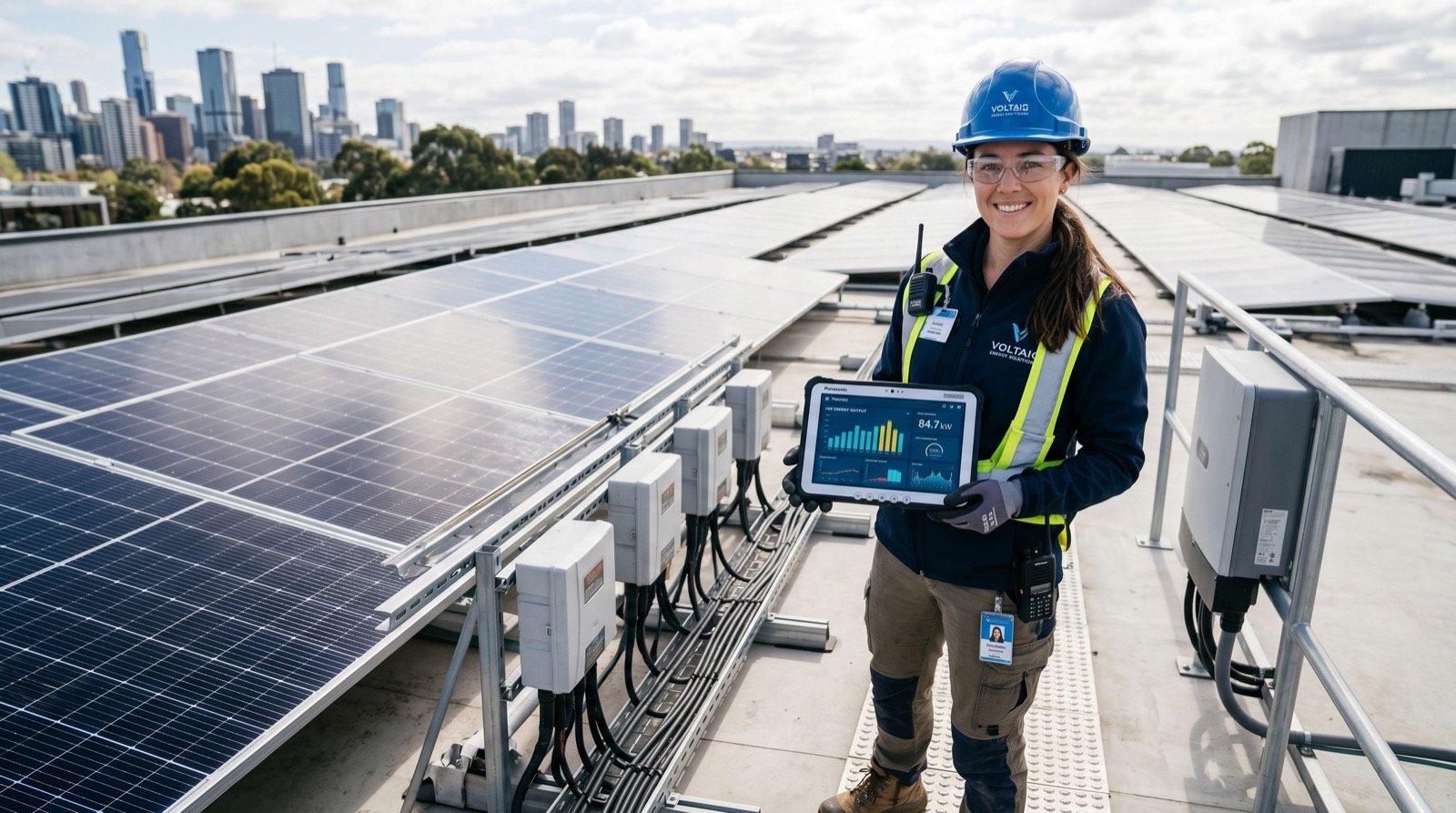
Heat is the enemy of electronics, so a competent solar company in Multan designs for thermal stress from the start. Panels lose a little efficiency as they get hotter, which smart layout and airflow can offset.
Good installers raise panels slightly off the roof surface to let air circulate, choose inverters rated for high ambient temperatures, and shade sensitive equipment from direct afternoon sun. These details separate a system that thrives from one that throttles back every July.
- Ventilated mounting that keeps modules cooler and more productive.
- Heat-rated inverters installed in shaded, well-aired locations.
- Dust management with easy roof access for frequent cleaning.
- Robust cabling sized to minimise losses over the system’s life.
Farmers and factory owners especially benefit from working with quality service providers who understand agricultural and commercial loads, not just small rooftop homes.
Solar Costs and Returns in Multan
Because Multan homes and farms consume so much power for cooling and irrigation, payback periods here are among the shortest in the country. The table below shows indicative 2026 figures for common system sizes.
| User Type | Typical Size | Main Load | Estimated Payback |
|---|---|---|---|
| Home | 5-7.5 kW | Air conditioning | 3-4 years |
| Farm | 10-25 kW | Tube wells, cold storage | 3-5 years |
| Business | 15-50 kW | Machinery, lighting, cooling | 3-4 years |
After payback, the electricity is effectively free for the remaining 20-plus years of panel life. For a Multan farmer running diesel tube wells, the fuel savings alone can justify the investment within a few seasons.
How Net Metering Boosts Your Savings
Net metering lets you export surplus daytime electricity to the grid and draw it back at night, effectively using the grid as a free battery. For a Multan home that generates more than it uses at midday, this is a powerful tool.
A capable installer handles the entire net metering application with your distribution company and the regulator, so you are not left navigating forms alone. This service should be part of the package, not an afterthought.
- Daytime surplus units earn credits against evening consumption.
- Credits can carry forward, smoothing seasonal swings in usage.
- Correct system sizing maximises export without oversizing your spend.
Should Multan Businesses Go Solar in 2026?
For commercial users, the case is compelling. Factories, cold stores, and retail outlets face high daytime loads that match solar’s generation curve almost perfectly, so most of the energy is self-consumed at the point of use.
Beyond savings, solar offers predictability. Locking in your generation cost shields a business from tariff shocks and fuel adjustments, which makes budgeting far easier. Companies that already trust a provider for a solar company in Peshawar project often expand the same partnership to their Multan sites for consistency.
Powering Agriculture and Cold Storage Around Multan
The farmland surrounding Multan depends on irrigation, and diesel-driven tube wells devour fuel budgets every season. Solar changes that equation dramatically, delivering water during exactly the sunny hours when crops need it most.
Cold storage is another natural fit. Mango and citrus growers who store produce after harvest face heavy refrigeration bills through the hottest months, precisely when solar output peaks. Matching generation to this load means most of the energy is used on site rather than exported.
- Solar tube wells cut or eliminate diesel costs and run quietly.
- Refrigerated storage stays powered through peak daytime heat.
- Processing units such as rice and flour mills offset large daytime loads.
- Poultry and dairy sheds keep fans and cooling running affordably.
A specialist that understands three-phase supply and variable agricultural demand will design a system that performs under real field conditions, not just on a spec sheet.
What to Expect During Installation
Knowing the timeline helps you plan around harvest or business hours. A typical Multan installation moves quickly once the design is agreed.
- Detailed site survey measuring roof or ground space, load, and shading.
- Engineered design sized to your consumption and future growth.
- Mounting and wiring, usually completed within one to three days.
- Inverter commissioning, testing, and handover of monitoring access.
- Net metering application filed and tracked on your behalf.
Clear documentation at each stage gives you confidence that the system was built to last through Multan’s demanding climate.
Frequently Asked Questions
Does extreme heat reduce solar output in Multan?
High temperatures do slightly lower panel efficiency, but Multan’s abundant sunshine more than compensates. A well-designed system with ventilated mounting and heat-rated inverters performs strongly all summer, which is exactly when you need the power most.
Can solar run my agricultural tube well?
Yes. Many Multan farmers power tube wells with solar, either directly or through the grid via net metering. This replaces costly diesel and delivers rapid payback, especially during the long irrigation season.
How often should panels be cleaned in Multan?
Dust accumulates quickly in the region, so a light cleaning every couple of weeks during dry spells keeps output high. A good solar company in Multan designs easy roof access and can arrange scheduled cleaning if you prefer.
Is net metering available for Multan homes and farms?
Yes, grid-connected users can apply for net metering to export surplus power. A reputable installer manages the paperwork and sizes your system to maximise credits without unnecessary over-investment.
Final Thoughts
Multan’s fierce sun is both the reason your bills are high and the solution to lowering them. Partnering with an experienced solar company in Multan lets you convert punishing heat into clean, affordable, predictable energy for your home, farm, or business. With fast payback, net metering, and heat-smart design, 2026 is the right year to make the switch and take control of your electricity costs for decades.